The first flight with a baby or toddler is usually more stressful in your head than it is in the air. Most of the hard parts happen on the ground: deciding whether to buy a seat, getting a car seat through the airport, and keeping a small child fed and busy at the gate. Sort those out before you leave and the flight itself becomes much easier.
Below we cover the decisions that matter most, in the order you will face them, from booking to landing.
When Can a Baby Fly?
Most US airlines accept babies from a few days old, although some set a minimum of 7 or 14 days and may ask for a doctor’s note for very young newborns. Many pediatricians suggest waiting until after the first round of vaccines at around two months, especially in cold and flu season. If you have a younger baby and need to travel, ask your pediatrician first and check your airline’s age policy before booking.
Lap Infant or Their Own Seat?
Children under two can fly on a parent’s lap on US domestic flights, usually for free. It saves money, but it is not the safest option. The FAA says the safest place for a child under two is in an approved car seat or child restraint device in their own seat, not on a lap.
| Option | Cost | Good For | Downsides |
|---|---|---|---|
| Lap infant | Free on most domestic flights | Short flights, young babies who sleep in arms | Less safe in turbulence, no space of your own |
| Own seat with car seat | Full or discounted fare | Longer flights, babies who sleep well in their seat | Extra ticket, carrying the seat through the airport |
| Own seat with CARES harness | Fare plus harness | Toddlers about 22 to 44 lb | Not for babies; child must sit upright |
Once a child turns two, they need their own ticket. If your child has a birthday during the trip, you will usually need a seat for the return flight.
Using a Car Seat on the Plane
Not every car seat is allowed on board. Look for a sticker that says “This restraint is certified for use in motor vehicles and aircraft.” On US seats this text is printed in red. If the label is missing, flight attendants can ask you to check the seat.
- Measure the width. Seats around 16 inches wide or less fit most economy seats.
- Book a window seat. Airlines usually require car seats by the window so they do not block anyone’s exit.
- Practice at home. Installing the seat with a lap belt takes a minute once you have done it before.
- Leave the base at home. Infant car seat bases are not used on planes. Most families check the base or leave it behind.
Booster seats cannot be used during the flight, because airplane lap belts do not work with them. Bring the booster for the car and check it, or use a CARES harness on board for toddlers who meet the weight range.
Strollers and Car Seats at the Airport
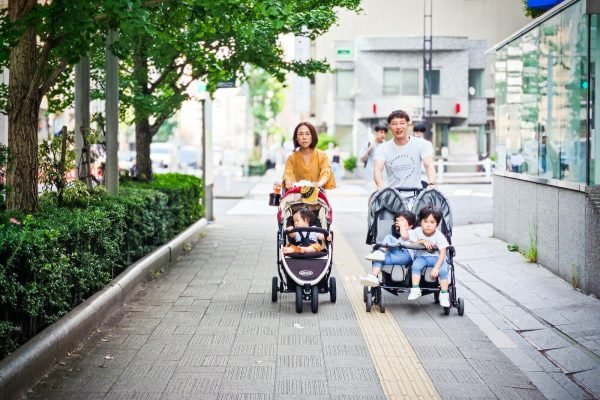
Most US airlines let you check a stroller and a car seat for free, either at the ticket counter or at the gate. Gate checking is the popular choice because you can use the stroller right up to the plane. Use a padded bag or a simple gate check bag to protect them, and attach a luggage tag with your name and phone number.
From experience: a lightweight umbrella or compact travel stroller makes airports much easier than your everyday stroller. If you will rent a car, bring your own car seat so you know it fits and how it was used.
Getting Through Security
Breast milk, formula and baby food are allowed in carry-on bags in quantities above the usual 3.4 ounce liquid limit. Take them out of your bag and tell the officer you have them. Expect them to be screened. Children under 18 do not need ID on domestic flights when traveling with an adult, but keep a copy of a birth certificate for lap infants in case the airline asks for proof of age.
What to Pack in Your Carry-On
- Diapers for the whole travel day, plus a few extra for delays
- Wipes, a changing pad and a few small trash bags
- A full change of clothes for your child and a spare shirt for you
- Bottles, formula or snacks for at least one more meal than you expect
- A pacifier or something to suck on during takeoff and landing
- Two or three small new toys, plus books or stickers
- A tablet with downloaded shows and toddler headphones
- Any medicine your child takes and a basic first aid kit
Flying With a 1 or 2 Year Old
Toddlers are often harder to fly with than babies because they want to move. Book flights around nap time when you can, walk the airport before boarding instead of sitting at the gate, and wrap new toys so unwrapping becomes part of the fun. Pre-boarding is useful if you are installing a car seat, but if your toddler is restless, it can be better to let one adult board early with the gear and the other board last with the child.
Ear Pressure During Takeoff and Landing
Swallowing helps ears adjust to pressure changes. Offer a bottle, breast, pacifier or a drink during takeoff and especially during the descent, which is when ear pain is most common. For older toddlers, a snack or a straw cup works well.
Flying With a Baby: Quick Answers
Does a 2 year old need a car seat on a plane?
A child who is two or older needs their own seat, but a car seat is not required. The FAA still recommends an approved car seat or CARES harness for toddlers because it keeps them secure in turbulence.
Do you have to pay to check a car seat?
Most US airlines check car seats and strollers for free. Policies can change, so confirm with your airline before you fly.
Can I bring a car seat and a stroller?
Yes. On most airlines you can bring both in addition to your normal baggage allowance.
Before you leave, run through our family vacation packing checklist so nothing important stays at home.